
Living in a city as vibrant and fast-paced as Glasgow means we are constantly on the move. Whether you are navigating the morning rush on the Subway, spending long hours at a desk in the city centre, or training for the Great Scottish Run, your body absorbs a significant amount of stress. Often, we assume that a good night’s sleep or a lazy Sunday on the sofa is enough to help us recover. However, muscle tension and postural imbalances have a way of sticking around, slowly manifesting as nagging aches or restricted movement.
This is where the expertise of a professional massage clinic glasgow becomes invaluable. It is not simply about an hour of relaxation, though that is certainly a welcome bonus. It is about clinical intervention that addresses the root causes of physical discomfort. When we talk about massage in a clinical sense, we are looking at how soft tissue manipulation can improve blood flow, break down adhesions, and restore the natural alignment of the body. For many Glaswegians, regular sessions have transitioned from a rare treat to an essential part of their health and wellbeing routine.
The difference between a spa and a clinical environment
It is easy to get confused by the various options available when searching for a massage. Many people immediately think of scented candles and panpipe music. While those environments have their place for general relaxation, a clinical setting offers a different level of focus. A massage clinic focuses on results, assessment, and long-term physical improvement. You aren’t just a customer; you are a patient with specific physiological needs.
In a clinical setting, the therapists usually have a deep understanding of anatomy and physiology. They don’t just follow a set routine; they adapt their techniques based on what they feel in your muscles and what you report about your lifestyle. This targeted approach is why so many people find relief from chronic issues that have bothered them for years. Some of the primary reasons people seek out these professional services include:
- Persistent lower back pain from sedentary office work.
- Tension headaches caused by neck and shoulder tightness.
- Recovering from sports-related injuries or muscle strains.
- Improving flexibility and range of motion for daily activities.
- Managing the physical symptoms of high-stress environments.
Understanding the types of therapy available
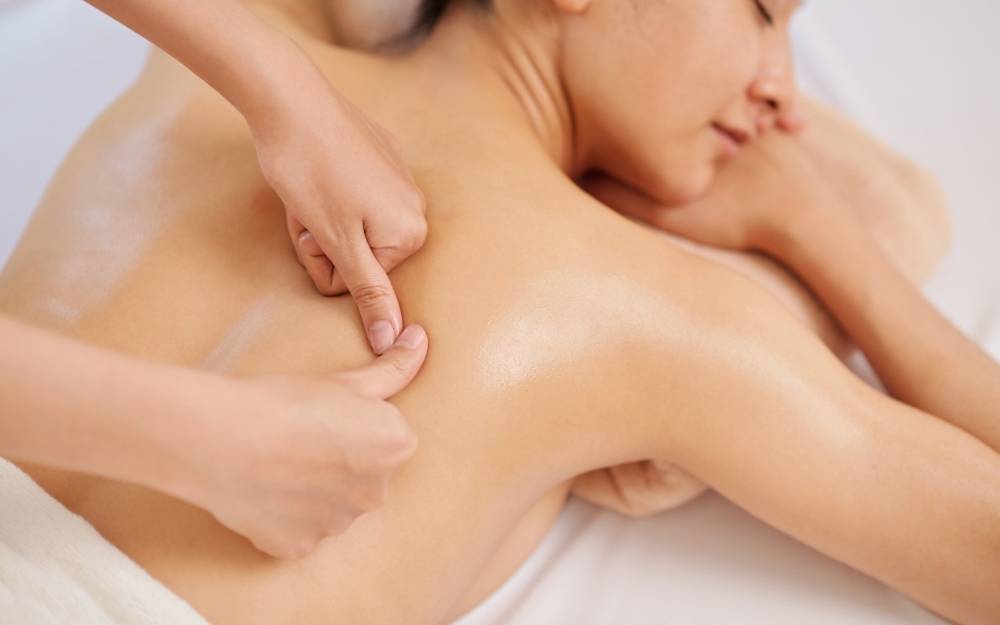
When you walk into a massage clinic Glasgow residents trust, you will likely be presented with several different types of treatment. Choosing the right one depends entirely on your goals. If you are preparing for a marathon, your needs will be vastly different from someone who spends forty hours a week hunched over a laptop.
Sports Massage
Contrary to popular belief, you do not have to be an elite athlete to benefit from a sports massage. This technique is designed to help prevent injury and enhance performance. It involves deeper pressure and often includes stretching and movement. It is particularly effective for breaking down scar tissue and ensuring that muscles are functioning at their full length. If you find that your calves are always tight after a run in Kelvingrove Park, this is likely the treatment for you.
Deep Tissue Massage
Deep tissue work focuses on the deeper layers of muscle and connective tissue. It is especially helpful for chronic aches and pains and contracted areas such as a stiff neck and upper back, low back pain, leg muscle tightness, and sore shoulders. The therapist uses slow, deliberate strokes that focus pressure on layers of muscles, tendons, or other tissues deep under your skin. While it can be intense at times, the feeling of release afterwards is often profound.
Remedial Massage
Remedial massage is more of a holistic approach to treating a specific problem. The therapist will often assess your posture and movement before beginning. The goal is to identify which muscles are overactive and which are underactive, working to balance the body back out. This is highly effective for people recovering from accidents or those dealing with repetitive strain injuries.
The physiological impact of regular treatment
What is actually happening under the skin during a session at a massage clinic? It is more than just feeling good. From a biological perspective, the pressure applied to the skin and muscles triggers a cascade of positive reactions. One of the most immediate effects is the increase in local blood circulation. By bringing fresh, oxygenated blood to the tissues, the body can more effectively flush out metabolic waste products like lactic acid.
Furthermore, massage has a direct impact on the nervous system. It helps to shift the body from the ‘fight or flight’ sympathetic nervous system into the ‘rest and digest’ parasympathetic nervous system. This transition is crucial for healing. When the body is in a state of high stress, it deprioritises repair. By forcing the body to relax through physical touch, we allow the natural healing processes to take over. This is why many people find they sleep significantly better on the night after a treatment.
Common physical benefits reported by regular clients include:
- Reduced muscle soreness and faster recovery times after exercise.
- Decreased inflammation in joints and soft tissues.
- Improved lymphatic drainage, which helps the immune system.
- Reduction in the frequency and intensity of tension-based headaches.
- Better postural awareness and less slouching during the day.
Integrating massage into a busy Glasgow lifestyle
One of the biggest hurdles for people is finding the time to prioritise their physical health. We often wait until we are in significant pain before seeking help. However, the most effective way to use a massage clinic is as a preventative measure. Think of it like a service for your car; you don’t wait for the engine to fail before you change the oil. By visiting a clinic once a month or once every six weeks, you can catch small issues before they become debilitating injuries.
Glasgow is a city that values hard work and resilience, but that resilience needs to be supported. Whether you are a student at one of the universities, a professional in the Financial District, or a parent juggling a thousand tasks, your body is the vehicle that carries you through it all. Taking an hour out of your schedule to focus on your physical alignment is not selfish; it is a practical investment in your long-term capability.
When you start to view massage as a functional necessity rather than a luxury, your approach to health changes. You begin to notice the subtle signs of tension earlier. You realise that the stiffness in your jaw or the tightness in your hips isn’t just ‘getting older’—it’s a signal from your body that it needs a little bit of professional attention. By responding to those signals early, you can maintain a higher quality of life and continue doing the things you love, whether that is hiking in the Highlands or simply walking the dog around the West End without pain.
What to expect during your first visit
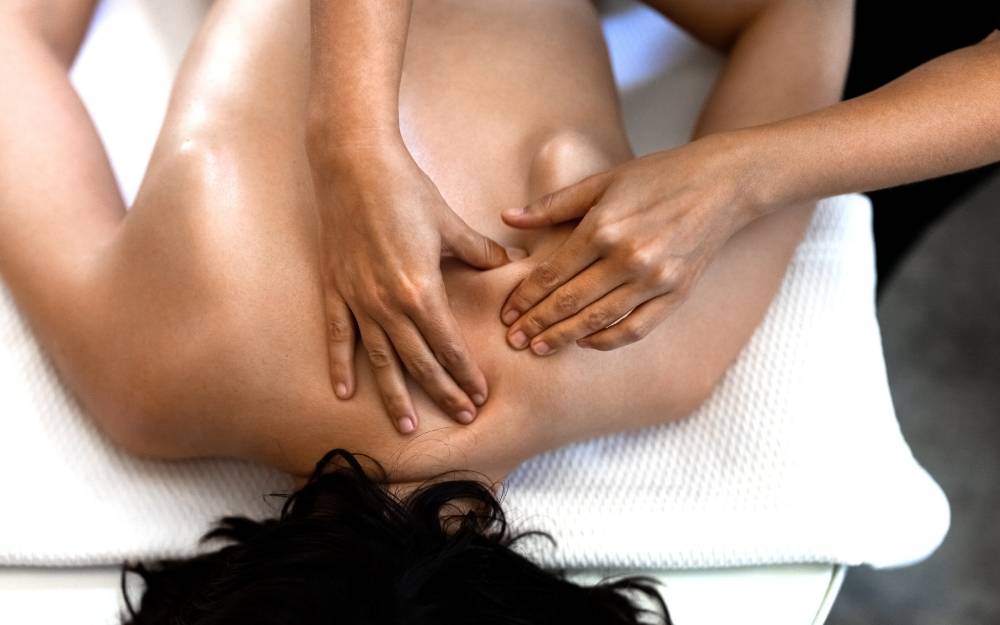
If you have never been to a clinical massage centre before, you might be a bit nervous about what happens. A professional experience always begins with a consultation. Your therapist will ask about your medical history, any current pain points, and what you hope to achieve. They will then leave the room to allow you to get comfortable on the table, ensuring your privacy is respected at all times with proper towelling techniques.
During the treatment, communication is key. A good therapist wants to know if the pressure is too much or if you are feeling a specific sensation. They use their hands, forearms, and sometimes elbows to work through the layers of muscle. It is a collaborative process between you and the practitioner. After the session, they will often provide ‘homework’—small stretches or postural adjustments you can make at home to ensure the benefits of the treatment last as long as possible.
To get the most out of your session, consider the following tips:
- Stay hydrated before and after your appointment to help flush out toxins.
- Wear comfortable clothing that is easy to change out of.
- Be honest about your pain levels and lifestyle habits during the consultation.
- Try to schedule your massage on a day when you don’t have a high-intensity workout planned immediately after.
- Listen to your therapist’s advice regarding stretches and aftercare.
The journey toward better physical health doesn’t have to be a solo one. Having a professional team behind you makes the process much easier and far more effective. In a city like Glasgow, where the pace of life shows no sign of slowing down, having a reliable clinic to turn to is one of the best things you can do for your future self.

Janine Byrom a jewellery designer based in Manchester, specializing in the use of the best table saws for crafting intricate designs.