
If you have spent any significant amount of time on a construction site, you will know that the finished building is only half the story. Long before the ribbons are cut and the tenants move in, a complex skeleton of supports, platforms, and temporary structures holds everything together. These elements, known collectively as temporary works, are the unsung heroes of any build. However, they are also where some of the biggest risks live. This is exactly why the role of a Temporary Works Coordinator has become so fundamental to the modern construction industry in the UK.
Temporary works aren’t just a bit of scaffolding or a few props; they are engineered solutions that allow the permanent works to be built safely. Because these structures are, by definition, temporary, there can sometimes be a tendency to treat them with less rigour than the final building. That is a dangerous mistake. Without proper oversight, a simple excavation or a temporary crane base can lead to catastrophic failures. The coordinator is the person who ensures that doesn’t happen, acting as the bridge between design, safety, and practical execution.
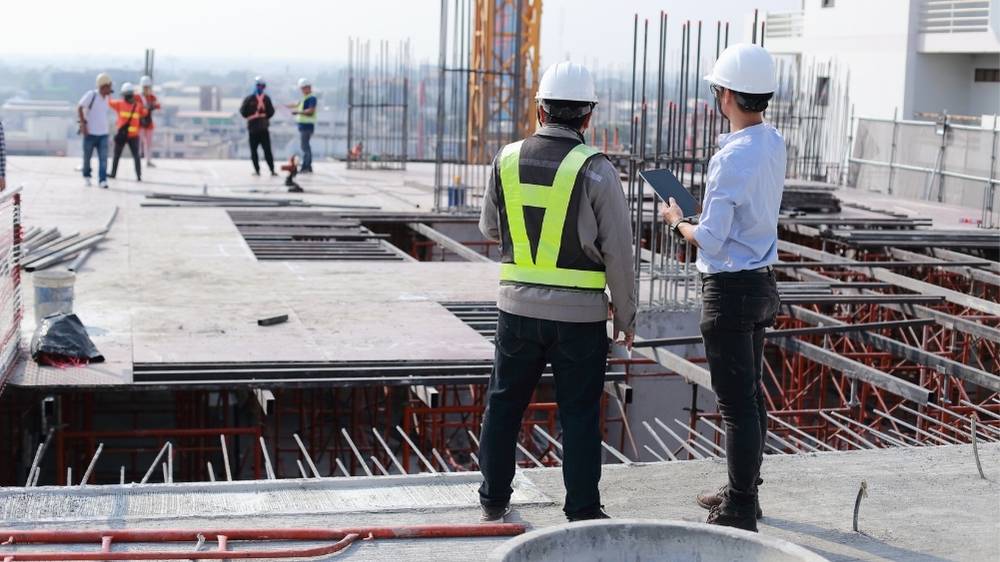
What actually counts as temporary works?
Before diving into the specifics of the job, it is worth clarifying what we are talking about when we mention temporary works. It is a broad category that covers almost anything that supports or protects the site during the construction phase. Many people are surprised by how much falls under this umbrella. It is not just about the obvious stuff like scaffolding; it includes anything that provides access, support, or stability until the permanent structure is strong enough to stand on its own.
Common examples include:
- Earthworks and excavations, including trench support and cofferdams.
- Falsework and formwork used to support freshly poured concrete.
- Scaffolding, access towers, and edge protection.
- Crane foundations and piling mats.
- Temporary bridges or haul roads for heavy machinery.
- Propping and shoring for existing walls during renovations.
Because these elements are often removed once the project reaches a certain milestone, they require constant monitoring. A Temporary Works Coordinator is responsible for making sure that every one of these items is designed, installed, and dismantled according to a strict set of safety standards.
The daily reality of a Temporary Works Coordinator
The role is highly technical, but it is also deeply rooted in communication. You cannot be a successful coordinator by sitting in a site office all day looking at spreadsheets. You need to be out on the ground, talking to subcontractors, checking the quality of installations, and ensuring that the reality on-site matches the drawings on the desk. The primary guidance for this role comes from BS 5975, the British Standard code of practice for temporary works. This document sets out the procedures that must be followed to manage risk effectively.
One of the most critical parts of the job is the management of the Temporary Works Register. This is a living document that lists every single piece of temporary works on the project, who is responsible for it, its design status, and when it is due to be inspected. It is the master plan that keeps the site organised and prevents things from falling through the cracks. If you are looking to move into this level of responsibility, undertaking a formal Temporary Works Coordinator course is the standard way to ensure you have the procedural knowledge required to manage these complex registers and the legal obligations that come with them.
Key responsibilities you should know about
While the specific tasks can vary depending on the size of the project, a few core responsibilities remain constant across the industry. The coordinator is essentially the gatekeeper of temporary works safety. They ensure that everyone involved—from the designers to the labourers—is working from the same page.
Typical responsibilities include:
- Coordinating all temporary works activities and ensuring a design brief is prepared.
- Ensuring that a suitable temporary works design is carried out and checked by a competent person.
- Supervising the installation and ensuring it matches the approved designs.
- Issuing “Permits to Load” and “Permits to Unload” to ensure structures are only used when they are safe.
- Maintaining the temporary works register and ensuring all documentation is up to date.
- Liaising with the permanent works designer to ensure there are no conflicts between the two.
The importance of competency and training
You cannot simply appoint someone to this role because they have been on-site for a long time. Competency is a mix of experience, knowledge, and formal training. The industry takes this very seriously because the consequences of getting it wrong are so high. Most major contractors in the UK will insist that anyone acting as a coordinator has completed a recognised training programme and can demonstrate a deep understanding of the BS 5975 standards.
It is also a role that requires a certain temperament. You need to be able to stand your ground. There will be times when a project manager is pushing to meet a deadline, but the temporary works aren’t ready to be loaded. The coordinator has to have the confidence and the authority to say “no” until the safety checks are complete. This blend of technical skill and leadership is what makes the role so challenging and yet so rewarding for those who enjoy the engineering side of construction.
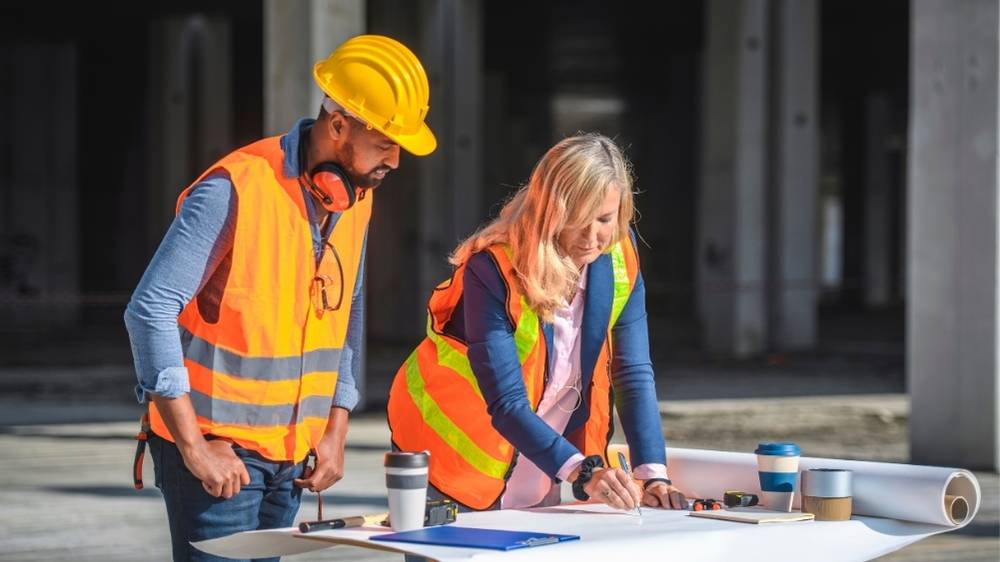
How the role prevents site accidents
The primary reason this role exists is to save lives. Historically, some of the most significant accidents in the construction industry have been caused by the failure of temporary structures. Whether it is a trench collapsing because it wasn’t propped correctly or a floor slab failing because the falsework was removed too early, these incidents are almost always preventable with proper coordination.
By having a designated person whose sole focus is the management of these risks, the site moves from a reactive environment to a proactive one. Instead of fixing problems after they occur, the coordinator identifies potential issues during the design phase. They ask the difficult questions: Is the ground bearing capacity sufficient for this crane? Has the wind loading been accounted for in this hoarding? Is this scaffold tied into the building correctly? By answering these questions before work begins, the site remains a much safer place for everyone involved.
The role also adds significant value in terms of efficiency. When temporary works are well-managed, there are fewer delays caused by remedial works or safety shutdowns. A smooth-running temporary works programme often means a smooth-running project overall. It allows the permanent works to proceed without the constant interruptions that come from poorly planned site logistics or structural uncertainties.
The relationship between the Coordinator and the Supervisor
It is worth noting that on larger sites, the coordinator doesn’t work alone. They often work alongside a Temporary Works Supervisor (TWS). While the coordinator focuses on the overall management, design coordination, and permits, the supervisor is often more focused on the physical inspection of the works on the ground. This partnership is vital. The supervisor acts as the eyes and ears of the coordinator, ensuring that the standards set out in the management plan are being followed every single day. This hierarchy ensures that there is a double layer of safety, providing peace of mind for the site management team and the client alike.
As construction projects become more complex, with tighter sites and more ambitious designs, the need for skilled coordinators only grows. They are the professionals who ensure that the ambitious visions of architects can actually be built in the real world, safely and effectively. Whether it is managing a high-rise core or a simple basement excavation, their presence is what keeps the industry moving forward without compromising the safety of the workforce.

Janine Byrom a jewellery designer based in Manchester, specializing in the use of the best table saws for crafting intricate designs.